Understanding Mini Split AC Systems
As the climate changes and energy efficiency becomes a priority in modern living, mini split air conditioning systems are gaining immense popularity. These systems provide targeted cooling while conserving energy, making them an ideal solution for homeowners seeking comfort without excessive utility bills. In this comprehensive guide, we will delve into the world of mini split ACs, exploring their components, installation processes, and the benefits they offer. When exploring options, mini split ac systems emerge as a highly effective choice for both heating and cooling needs.
What is a Mini Split AC?
A mini split AC, also known as a ductless air conditioning system, operates without the need for ductwork, making it versatile for various residential applications. It consists of two main components: an indoor air-handling unit and an outdoor condenser. This separation allows for efficient heating and cooling of specific areas in a home, providing comfort where it's needed most.
One of the defining characteristics of mini splits is their flexibility in installation. Unlike traditional systems, which require extensive ductwork, mini splits can be installed in smaller spaces, making them an excellent choice for apartments, office spaces, and homes lacking existing duct systems. In addition to cooling, many mini split units also have heating capabilities, effectively functioning as heat pumps.
Key Components of Mini Split Systems
Understanding the components of mini split ACs can demystify their operation and provide insights into their efficiency. The key components include:
- Indoor Unit: The indoor air-handler unit is responsible for distributing conditioned air throughout the room. It is typically mounted on a wall or ceiling and comes in various styles to match different interior designs.
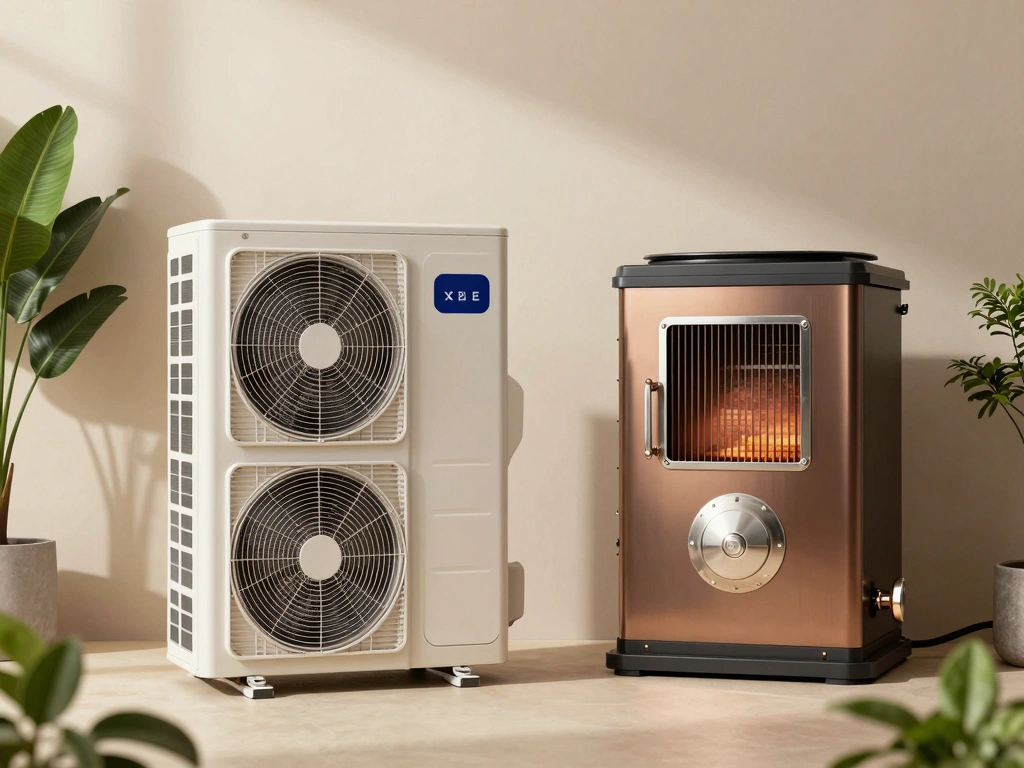
- Outdoor Unit: This condenser unit is installed outside the building and houses the compressor, condenser coil, and fan. It plays a critical role in expelling heat absorbed from the indoor air.
- Refrigerant Lines: These insulated pipes connect the indoor and outdoor units, transporting refrigerant that absorbs heat from the indoor air and releases it outside.
- Thermostat: Many mini split systems utilize smart or programmable thermostats that allow homeowners to schedule heating and cooling preferences, enhancing comfort and energy savings.
Benefits of Ductless Air Conditioning
Mini split AC systems come with several advantages that appeal to a broad range of consumers:
- Energy Efficiency: Mini splits are known for their energy-saving capabilities compared to traditional central air systems. Many models boast high SEER (Seasonal Energy Efficiency Ratio) ratings, which translates to lower energy bills.
- Zone Control: With mini splits, homeowners can cool or heat individual rooms, allowing for personalized comfort in different areas of the home.
- Quiet Operation: These systems operate quietly, making them suitable for bedrooms, home offices, and other noise-sensitive environments.
- Easy Installation: The absence of ductwork simplifies the installation process, often allowing for quicker setup and less disruption.
Installation and Maintenance Best Practices
Proper installation and regular maintenance are crucial to ensuring the longevity and effectiveness of mini split AC systems. Homeowners should be aware of the best practices for both.
How to Install a Mini Split AC?
Installing a mini split AC may seem daunting, but following these steps can simplify the process:
- Choose the Right Location: Select suitable locations for the indoor and outdoor units, ensuring adequate airflow and accessibility for maintenance.
- Mount the Indoor Unit: Secure the wall bracket and attach the indoor unit, ensuring it is level and properly aligned.
- Install the Outdoor Unit: Place the outdoor condenser on a stable surface, ensuring it is elevated to prevent flooding.
- Connect Refrigerant Lines: Carefully connect the refrigerant pipes between the indoor and outdoor units, ensuring no leaks.
- Electrical Connections: Make the electrical connections according to the manufacturer’s instructions and local building codes.
- Test the System: After installation, run the system to check for any issues and verify proper functionality.
Routine Maintenance Tips for Optimal Performance
Regular maintenance ensures that your mini split AC operates efficiently and lasts longer. Follow these maintenance tips:
- Clean or Replace Filters: Check the indoor unit’s filters every month and clean or replace them as necessary to maintain airflow.
- Inspect Drain Lines: Ensure the condensate drain lines are clear to prevent water buildup and potential damage.
- Schedule Professional Inspections: Have a qualified technician perform annual inspections to identify and rectify issues before they escalate.
Common Installation Mistakes to Avoid
Several common errors can compromise the performance of mini split AC systems, including:
- Improper placement of the indoor or outdoor units, affecting airflow.
- Neglecting the need for adequate insulation on refrigerant lines, leading to energy loss.
- Failing to adhere to local codes and regulations, which can result in costly fines.
Energy Efficiency and Cost Savings
Energy efficiency is a primary concern for many homeowners, especially as utility costs continue to rise. Mini split AC systems offer several advantages in this regard.
How Mini Split ACs Save Energy
Mini split systems save energy through their efficient operation, which includes:
- Variable-Speed Compressors: Many modern mini splits use inverter technology, allowing the compressor to adjust its speed based on cooling requirements, minimizing energy waste.
- Zone Control: By allowing for room-specific cooling, homeowners can avoid wasting energy on unoccupied spaces.
Comparing Running Costs: Mini Split vs. Traditional Systems
When comparing running costs, mini split ACs typically outperform traditional systems:
- Lower Energy Bills: Due to their efficient operation, many mini splits can lower energy bills by 30–40% compared to standard central air systems.
- Less Maintenance Required: With fewer components and no ductwork, mini splits often require less maintenance, resulting in additional cost savings.
Understanding Energy Efficiency Ratings
When shopping for a mini split AC, understanding the energy efficiency ratings is essential:
- SEER Ratings: Look for units with high SEER ratings, as these indicate better energy efficiency. A higher SEER means lower energy costs.
- ENERGY STAR Certification: This certification indicates that the unit meets strict energy efficiency guidelines set by the U.S. Environmental Protection Agency.
Future Trends in Mini Split AC Technology
As technology advances, the future of mini split AC systems holds exciting potential for improved efficiency and functionality. Here are trends to watch for in 2026 and beyond.
Innovations in Smart Mini Split Systems
Smart technology is reshaping the HVAC industry. Mini split systems are increasingly featuring:
- Smart Thermostats: These devices can be controlled remotely via smartphones, enabling homeowners to adjust temperatures from anywhere.
- Integration with Home Automation Systems: Mini splits can connect with other smart home devices, enhancing energy management and convenience.
Emerging Features for 2026 and Beyond
Future mini split AC models are expected to include:
- Enhanced Filtration Systems: Improved filtration technologies will offer better air quality, essential for health-conscious consumers.
- Environmentally Friendly Refrigerants: As regulations change, manufacturers are likely to adopt refrigerants with lower global warming potential.
Impact of Climate Change on Cooling Technology
Climate change is driving innovation in the HVAC sector. Mini split systems will adapt to:
- Higher Temperature Ratings: As temperatures rise, mini splits will need to perform efficiently at higher ambient temperatures.
- Increased Focus on Sustainability: Consumers will demand systems that not only cool effectively but also minimize their carbon footprint.
FAQs About Mini Split AC Systems
What are the disadvantages of a mini split?
While mini split ACs offer numerous benefits, they do have some disadvantages, including higher upfront costs and the aesthetic impact of indoor units on home decor. Proper planning during installation can help mitigate these concerns.
Is a mini split AC worth it?
For many homeowners, especially those without existing ductwork, mini split ACs provide an efficient and cost-effective cooling solution that justifies the initial investment.
How much does it cost to install a mini split AC?
The installation cost of a mini split AC system can vary based on factors such as unit capacity, number of indoor units, and installation complexity. Homeowners can expect to pay between $3,000 and $7,000 on average.
How do mini split systems compare to window units?
Mini splits are generally quieter, more energy-efficient, and provide better cooling than window units, making them a superior choice for long-term comfort.
What size mini split AC do I need for my home?
Choosing the right size mini split AC depends on the specific area to be cooled. Factors include the room's square footage, ceiling height, and insulation quality. Consulting with a professional can ensure an accurate sizing recommendation.