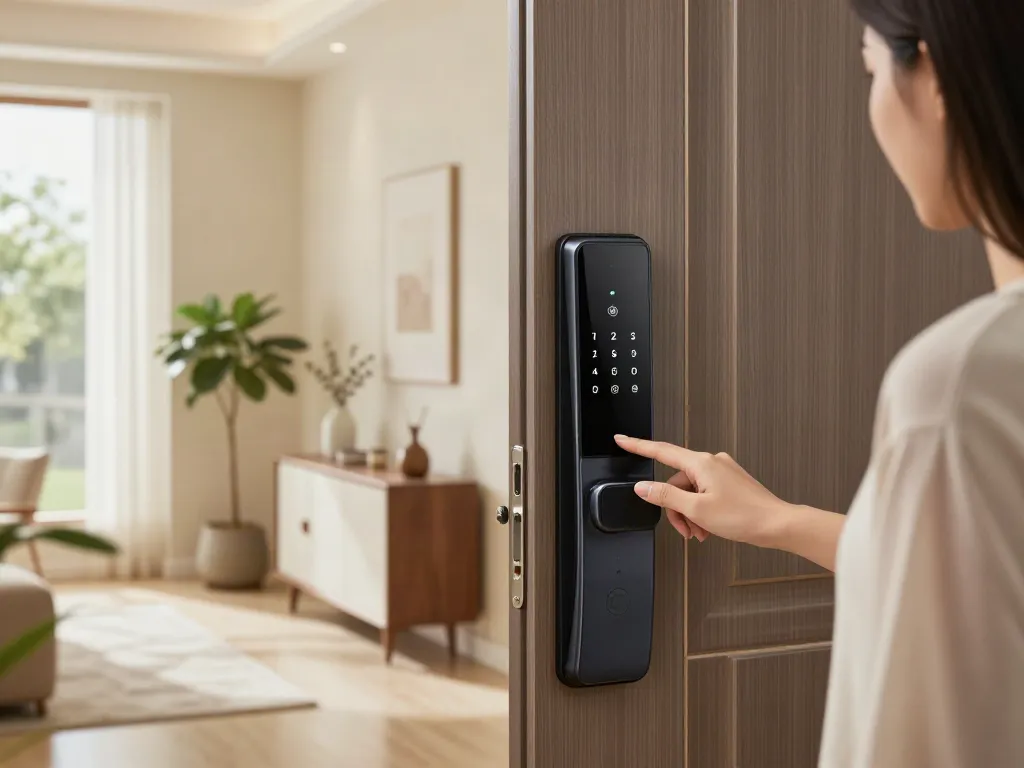
Understanding Smart Locks: The Basics
As the world transitions towards increased connectivity, one of the most significant developments in home security is the emergence of smart locks. These devices not only offer modern security features but also enhance the convenience of accessing your home. Whether you're a tech enthusiast or just someone looking for better home security, understanding the fundamentals of smart locks is essential. When exploring options, قفل هوشمند provides comprehensive insights into the latest technology and available models.
What is a Smart Lock?
A smart lock is an electronic lock that can be controlled via a smartphone or other smart device. Unlike traditional locks, which require a physical key, smart locks utilize a variety of technology to unlock doors. This could include Bluetooth, Wi-Fi, or even biometric recognition methods like fingerprint scanning or facial recognition.
Key Features of Smart Locks
- Keyless Entry: Users can unlock doors without the need for a physical key, utilizing codes, smartphones, or biometrics.
- Remote Access: Many smart locks allow homeowners to lock and unlock doors remotely, providing convenience when away from home.
- Monitoring Capabilities: Most smart locks can track when doors are locked or unlocked and provide alerts to users.
- Integration with Smart Home Systems: Smart locks can often be integrated with home automation systems, working in conjunction with security cameras, alarms, and other smart devices.
How Smart Locks Work
Smart locks operate using a combination of electronic components and software. When a user attempts to unlock a smart lock, the device will recognize the method of entry—be it a code, mobile application, or biometric recognition. The smart lock then communicates with a control module, granting access if the entry method is successful.
Types of Smart Locks Available in 2026
Biometric Smart Locks
Biometric smart locks utilize fingerprint or facial recognition technology to grant access. These locks are ideal for users who prioritize high security and want a convenient, keyless entry method. Biometric technology is increasingly reliable and can reduce the risk of unauthorized access.
Keypad and Code-based Locks
These locks require users to input a specific code to gain access. They provide a great alternative for those who prefer a simple method of authentication without needing a smartphone. However, it’s essential to choose a code that is not easily guessed.
Wi-Fi and Bluetooth Enabled Locks
Wi-Fi and Bluetooth-enabled locks integrate with home networks, allowing for remote access and monitoring. Users can unlock or lock their doors from virtually anywhere, making them a popular choice for homeowners who travel frequently or manage rental properties.
Selecting the Right Smart Lock for Your Home
Assessing Your Security Needs
Before purchasing a smart lock, it’s crucial to assess your security needs seriously. Consider the level of security you require and the features that matter most to you. For instance, if you have children or elderly family members, ease of use might be more important than cutting-edge technology.
Compatibility with Existing Door Hardware
Ensure that the smart lock you choose is compatible with your existing door hardware. Some locks may require specific door types or additional installation hardware, so always verify compatibility before purchasing.
Budget Considerations for Smart Locks
Smart locks come in a wide range of prices. Set a budget in advance and look for a model that meets your needs without overspending. Remember to factor in installation costs if professional installation is needed.
Installation and Setup of Smart Locks
Step-by-Step Installation Guide
Installing a smart lock can be a straightforward process. Most manufacturers provide detailed instructions that guide you through the setup, which usually includes removing the existing lock and fitting the new device in its place. Some models allow for DIY installation, while others may require professional help.
App Configuration and Management
Once installed, you'll need to configure the smart lock using its dedicated mobile app. This setup typically includes creating an account, connecting the lock to your home Wi-Fi network, and customizing settings such as access codes or biometrics.
Getting Help and Technical Support
Reputable smart lock manufacturers usually provide customer support and resources for troubleshooting. It’s essential to keep these contacts handy in case you encounter any issues during or after installation.
Future Trends in Smart Lock Technology
Innovations to Look for After 2026
The smart lock industry is evolving rapidly, with many innovative features expected to emerge. Look for advancements in AI and machine learning that could enhance user experience, improve security, and automate functions based on user behavior.
Integration with Smart Home Systems
As smart home technology continues to grow, expect smart locks to offer even more integration options. Enhanced compatibility with other devices, such as smart cameras and alarms, can create a more cohesive smart home security system.
Privacy and Security Concerns Ahead
As with any connected device, smart locks raise privacy and security concerns. It’s vital to choose products from trusted manufacturers and regularly update device firmware to protect against vulnerabilities.
What Should Homeowners Know?
Homeowners should remain informed about the latest smart lock technologies and practices. Regularly reviewing security protocols and being aware of potential vulnerabilities can significantly enhance home security.
How to Choose a Reliable Provider?
When selecting a provider for your smart lock, look for companies with solid reputations and positive customer reviews. Additionally, consider their warranty and after-sales support services.
What is the average cost of a smart lock?
The average cost for a smart lock can vary significantly based on its features and brand. Expect to pay anywhere from $100 to $300, with high-end models potentially costing more.
Are smart locks easy to install?
Most smart locks are designed with user-friendly installations in mind. Depending on the model, some can be installed with basic tools, while others may require professional help.
How secure are smart locks compared to traditional locks?
Smart locks often offer superior security features compared to traditional locks, such as remote monitoring and alerts. However, it's essential to choose high-quality models to ensure robust security.
What happens if the battery dies?
Most smart locks have backup options such as physical key access or temporary battery packs to allow entry in case of a power or battery failure.
Can smart locks be hacked?
Like all connected devices, smart locks are vulnerable to hacking. However, choosing reputable brands with strong security protocols can minimize these risks.